

Buy Ethically Sourced Coffee Beans Online: 2026 Guide
Table of Contents
- What Makes Coffee Ethically Sourced
- Fair Trade Organic Coffee Brands Worth Buying
- Sustainable Coffee Certifications Explained
- How to Verify Ethical Claims Before You Buy
- Where to Buy Ethically Sourced Coffee Online
- How Ethical Sourcing Impacts Small-Scale Farmers
- Getting Started: Steps to Your First Purchase
- Frequently Asked Questions
Last Updated: September 4, 2026
What Makes Coffee Ethically Sourced
Ethically sourced coffee beans support fair farmer compensation, environmental stewardship, and supply chain transparency, prioritizing people and planet over profit margins.
Ethical sourcing rests on three pillars: fair farmer compensation (covering production costs plus living wage), environmental responsibility (shade-grown cultivation, reduced pesticide use), and supply chain transparency. These practices protect ecosystems and soil health while contrasting sharply with commodity pricing that leaves growers struggling.
Ethical sourcing directly impacts smallholder farmers operating on tight margins, ensuring their work is valued appropriately and helping you make informed purchasing decisions beyond marketing claims.
Fair Trade Organic Coffee Brands Worth Buying
Fair Trade certification guarantees minimum prices to farmers, eliminates exploitative labor, and invests in community development, joining millions of consumers prioritizing ethical sourcing.
Organic certification prohibits synthetic pesticides and fertilizers, protecting workers and ecosystems. Many roasters combine organic and Fair Trade certifications for comprehensive ethical standards.
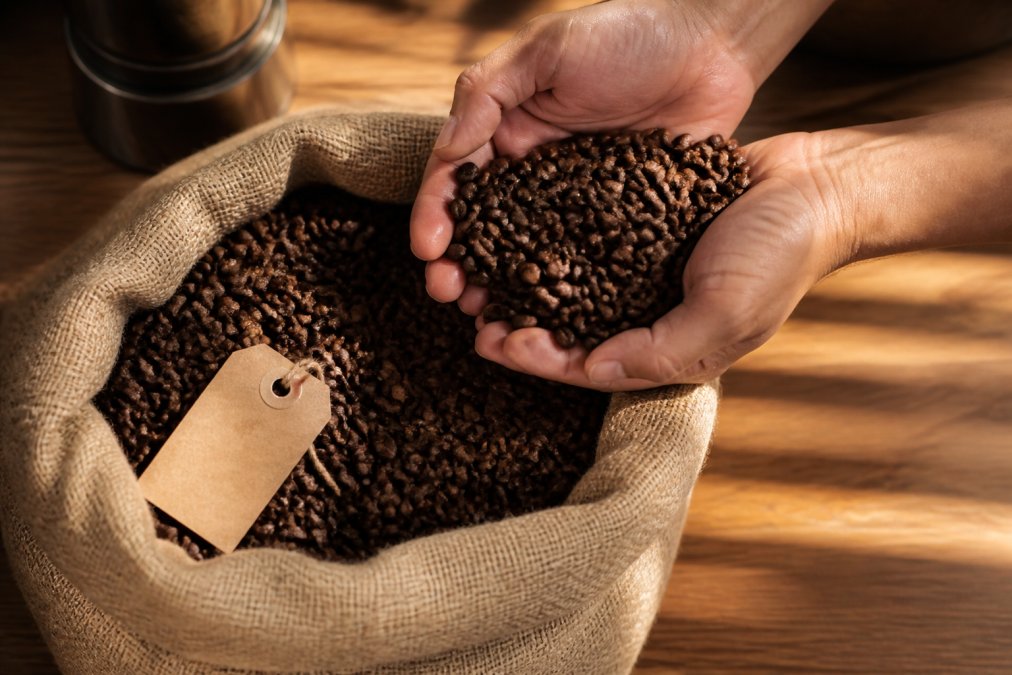
The challenge is distinguishing genuine commitment from superficial marketing. The best approach combines certification verification with direct communication, reputable roasters publish detailed farm partner information, harvest methods, and pricing structures.
Jos store exemplifies this approach: carefully sourcing premium beans from trusted farms and roasting to order for maximum flavor and freshness with documented sourcing practices.
Sustainable Coffee Certifications Explained
Multiple certification systems exist for ethically sourced coffee, each with different standards and limitations. Understanding these gaps helps you evaluate claims.
Fair Trade Certification sets minimum prices ($1.40-$1.70 per pound), prohibits child and forced labor, and requires community investment in education, healthcare, and infrastructure (fairtradeusa.org). However, it doesn't guarantee quality or freshness, and minimum prices may not cover costs in high-cost regions. Annual audits create lags in verification.
Rainforest Alliance Certification focuses on environmental conservation and worker welfare, requiring farms to maintain forest cover, protect water sources, and ensure safe conditions. Unlike Fair Trade, it doesn't mandate minimum prices, instead requiring demonstrated profitability, appealing to larger operations but offering less wage protection for individual farmers.
Organic Certification verifies coffee grown without synthetic pesticides or fertilizers, building soil health through composting and natural pest management. USDA-administered certification carries credibility but says nothing about farmer compensation, price premiums don't automatically reach farmers.
Direct Trade operates outside formal certification, with roasters paying premium prices ($2.00-$4.00+ per pound) and visiting farms regularly (peer-reviewed research). This prioritizes transparency and relationships over bureaucratic processes, but lacks third-party verification, you must trust the roaster's claims.
Certifications overlap variably: a coffee might be Fair Trade but not organic, or vice versa. The critical gap: certification doesn't guarantee freshness or flavor. A Fair Trade, organic, Rainforest Alliance-certified coffee can still be months old or poorly stored. Verify certifications, but also check roast dates and sourcing transparency.
Legitimate certifications display official seals verifiable through searchable databases: Fair Trade USA (fairtradeusa.org), Rainforest Alliance (rainforest-alliance.org), and USDA Organic Integrity Database. Beware vague terms like "responsibly sourced" without backing certification. Direct trade claims without named farms, published pricing, or verifiable farmer relationships are marketing, not practice.
How to Verify Ethical Claims Before You Buy
Verification separates genuine commitment from greenwashing. Develop a simple verification process before buying.
Check for Third-Party Certification Seals
Legitimate certifications display official seals on packaging or the roaster's website. Fair Trade, Rainforest Alliance, and organic certifications all use distinctive logos that third parties can verify. Visit the certifying organization's website to confirm the roaster's status, most maintain searchable databases of certified producers.
Beware of vague language like "responsibly sourced" or "sustainably grown" without backing certification. These terms lack standardized definitions and often mask minimal ethical commitments.
Review Supply Chain Transparency
The most trustworthy roasters publish detailed information about their sourcing. Look for roaster websites that name specific farms, regions, or cooperatives where beans originate. Many share farmer stories, harvest dates, and altitude information, details that signal genuine traceability.
Direct trade roasters typically go furthest here, often publishing photos of farms and farmers, pricing breakdowns, and relationship timelines. This transparency builds confidence that ethical claims reflect actual practice.
Look for Roast Dates and Single-Origin Information
Fresh roasting is essential for flavor, and roast dates prove freshness. Ethically sourced coffee beans should display roast dates prominently, ideally within 2-4 weeks of purchase for optimal flavor (peer-reviewed research). Single-origin coffees (beans from one specific farm or region) offer better traceability than blends, making it easier to verify sourcing claims.
When you buy ethically sourced coffee beans online, prioritize roasters who roast to order or clearly date their roasts. This practice ensures you're getting maximum flavor alongside verified ethical sourcing.
Where to Buy Ethically Sourced Coffee Online
Multiple purchasing channels offer ethically sourced coffee beans, each with distinct advantages, price points, and trade-offs. Your choice depends on how you balance ethical commitment, flavor quality, freshness, and budget.
Direct Trade and Single-Origin Roasters
Specialty roasters who practice direct trade offer the highest transparency and often the freshest beans. These roasters typically roast small batches to order, ensuring maximum flavor and freshness. Many publish detailed farm information, harvest stories, and direct pricing to farmers. Direct trade roasters usually charge premium prices, but the combination of ethical commitment, freshness, and traceability justifies the investment for discerning consumers willing to prioritize quality over cost.
Subscription Services for Regular Delivery
Coffee subscription services deliver fresh beans on regular schedules, eliminating the need to remember reorders. Many subscription services partner with ethical roasters or maintain their own direct trade relationships. Subscription models often provide modest discounts compared to one-time purchases and allow flexibility to pause or adjust frequency. The convenience factor appeals to busy professionals who value consistency and reliability. Most services let you customize roast preferences, bean origins, and delivery frequency, important for those exploring diverse single-origin varieties.
Budget-Friendly Ethical Sourcing: Finding Value Without Compromising Ethics
Ethically sourced coffee does not require premium pricing if you're strategic about where and how you buy. This is the most overlooked purchasing channel for cost-conscious consumers.
Fair Trade Certified from Larger Roasters
Fair Trade beans from established roasters offer documented ethical standards and third-party verification. Higher volume yields lower costs passed to consumers. Trade-off: less ultra-freshness and detailed traceability than direct trade, but affordability and verified practices.
Bulk Purchasing and Multi-Bag Discounts
Bulk purchases can offer savings per ounce. Multi-bag discounts and loyalty programs can further reduce costs. With proper storage, bulk buying stretches ethical sourcing budgets significantly.
Farmer Cooperatives and Direct-to-Consumer Sales
Farmer cooperatives can offer beans at a lower cost than specialty roasters by eliminating distributor markups. These require more research but reward diligent consumers with better value and maintained farmer compensation.
Blends vs. Single-Origin for Budget Optimization
Blends can cost less per pound than single-origins while maintaining ethical sourcing if all components are certified. Fair Trade or organic blends offer genuine ethics at lower cost, plus consistency across batches.
Timing and Seasonal Purchases
Buying during peak harvest seasons can yield modest price reductions, compounding across regular purchases.
Combining Strategies for Maximum Value
Combine Fair Trade bulk purchases from larger roasters, subscriptions for modest discounts, and occasional single-origin direct trade samples. This hybrid approach maintains ethical commitment while respecting budget constraints.
How Ethical Sourcing Impacts Small-Scale Farmers
Small-scale farmers produce most global coffee but often earn less than $1 per pound despite retail prices exceeding $12-15. Fair Trade minimum prices guarantee baseline compensation covering costs plus profit; direct trade pays substantially more. Beyond pricing, Fair Trade premiums fund education, healthcare, and infrastructure, creating resilient farming communities. Environmental stewardship, shade-grown cultivation, reduced pesticide use, soil conservation, protects farmer assets and ensures long-term productivity.
Getting Started: Steps to Your First Purchase
Step 1: Define Your Priorities Decide which ethical factors matter most: Fair Trade certification, organic farming, direct farmer relationships, or environmental conservation.
Step 2: Research Roasters Identify 2-3 roasters matching your priorities. Check for certification claims, farm information, roast dates, and transparency signals like detailed sourcing stories and published pricing.
Step 3: Start with a Sample Order a small quantity (single-origin half-pound or sampler set) to evaluate flavor quality and freshness before larger commitments.
Step 4: Evaluate Your Experience After tasting, assess whether the coffee meets expectations. Note roast date, brewing method, and flavor characteristics.
Step 5: Decide on Purchasing Model Choose between one-time purchases, regular orders, or subscriptions based on consumption rate and preference for convenience versus flexibility.
Buying ethically sourced coffee transforms your daily ritual into a meaningful choice supporting farmers and sustainable agriculture. Start by identifying roasters prioritizing transparency and freshness, then verify ethical claims through certification and farm information. Jos store simplifies this with carefully sourced premium beans from trusted farms, roasted to order for maximum flavor and freshness.
Frequently Asked Questions
How can I verify if coffee is truly ethically sourced before buying?
Look for third-party certification seals on the packaging, such as Fair Trade Certified or Rainforest Alliance. Check the roaster's website for supply chain transparency details, including the farm name, region, and farmer information. Request the roast date to confirm freshness. Reputable sellers provide traceability information and explain their direct relationships with farmers. If a brand won't share these details, that's a red flag.
What's the difference between Fair Trade and sustainable coffee certifications?
Fair Trade certification ensures farmers receive a minimum price and fair labor conditions, focusing on social impact. Sustainable certifications like Rainforest Alliance and Organic address environmental practices, including shade-grown methods and pesticide-free farming. Many ethical brands carry multiple certifications to demonstrate commitment to both social and environmental responsibility. Understanding these distinctions helps you choose coffee aligned with your values.
Is buying ethically sourced coffee more expensive than regular coffee?
Ethically sourced coffee typically costs more than mass-market options because farmers receive fair compensation and sustainable practices require investment. However, pricing varies widely depending on certification type, single-origin status, and roasting method. Budget-friendly ethical options exist through cooperatives and direct-trade roasters who cut out middlemen. Compare per-pound costs across suppliers rather than assuming all premium coffee is unaffordable for regular home consumption.
What does direct trade mean, and why does it matter for coffee quality?
Direct trade means roasters buy coffee beans directly from farmers or cooperatives, eliminating intermediaries. This creates stronger relationships, allows farmers to receive higher prices, and gives roasters control over quality and traceability. Direct trade also enables buyers to learn the specific farm, altitude, and processing method, which influences flavor profile. This transparency and farmer support make direct trade a meaningful ethical choice beyond certification alone.